::: title
LM01 Introduction
Building Agentic AI Applications ::: César Freire::: image
:::
A Simple Neural Network (ML)
How a RNN Works
One shared cell, unrolled over time: input updates a hidden state that carries memory to the next step — the ancestor of the attention mechanism in Transformers.
https://playground.tensorflow.org/
How an LLM Works
Tokens: How Text Is Cut Into Pieces
(Try it yourself: platform.openai.com/tokenizer)
- Common English words are single tokens —
"The capital of France is"→[The][ capital][ of][ France][ is]= 5 tokens - Longer or rarer words are split into pieces —
"unbelievable"→[un][believ][able]·"Tokenization"→[Token][ization] - Non-English text and numbers cost more tokens —
"こんにちは"→ 4+ tokens ·"1234567890"→[123][456][7890]·"🚀"→ 2–3 tokens
Rule of thumb: in English, 1 token ≈ 4 characters ≈ ¾ of a word — token counts drive both API cost and the context-window limit.
C4 (Colossal Clean Crawled Corpus)
Closed-Source vs Open-Source Models
APIs rent the intelligence; open weights own it. Prototype on APIs, self-host when privacy or cost per token wins.
llama.cpp (build c++; faster)
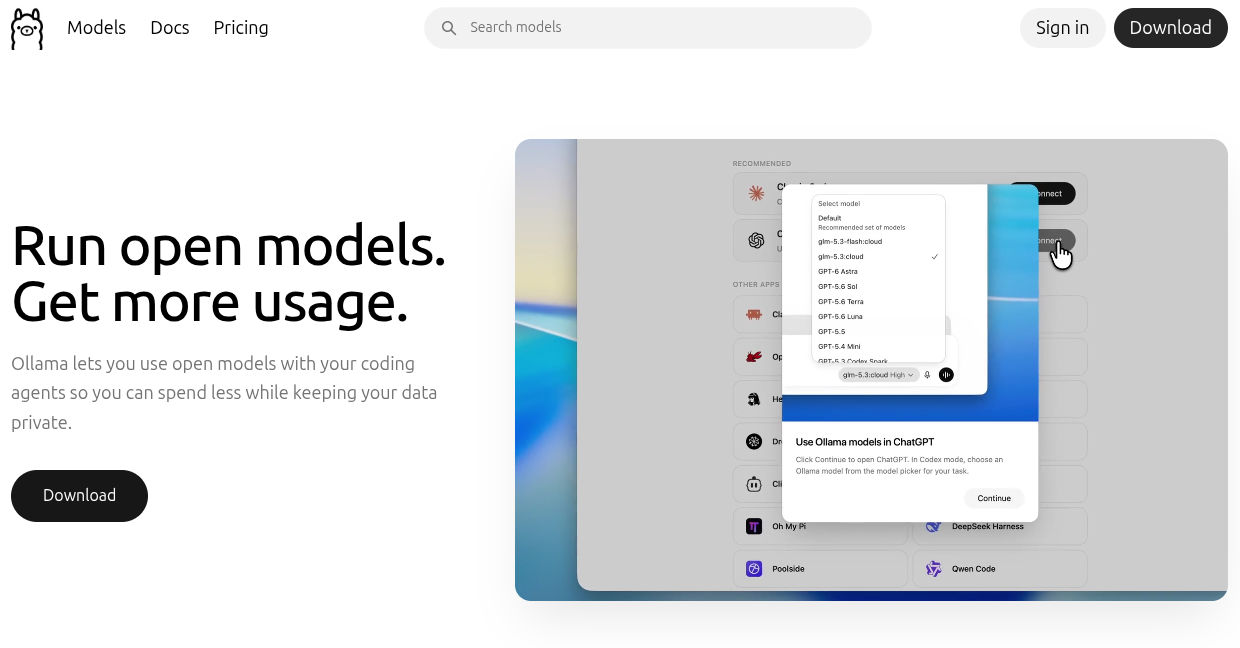
Ollama (local models)
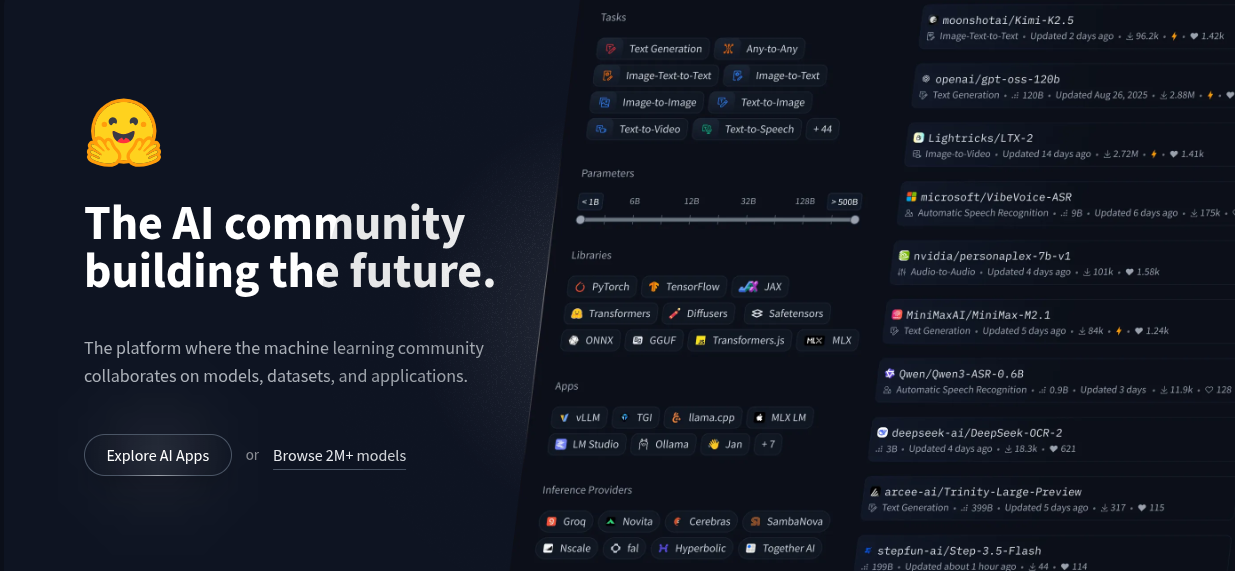
Hugging Face (home of models)
Openrouter

How Agentic AI Works
The LLM is the brain, tools are the hands, memory is the notebook — and the loop is the autonomy.
From LLM to Agent: What Changes
| Capability | Plain LLM | Agentic Application |
|---|---|---|
| Reasoning | Single prompt response | Multi-step, chain-of-thought, reflection |
| Grounding | Training data (+ context) | Live data via tools (search, DBs, APIs) |
| Execution | Suggests an answer | Performs the task |
| Error handling | User retries | Self-critique and retry loops |
| Example | ”Write me an email” | Drafts, sends, follows up on replies |
How Multi-Agent Systems Work
An orchestrator decomposes the goal, specialist agents work in parallel with their own tools, and shared memory keeps them in sync.
No-Code Agents
Trigger → AI block → action, wired on a canvas. Same agent concepts — LLM, tools, memory, approvals — with zero code.
No Code agents examples
- https://replit.com/ (Web)
- https://jules.google/ (Code)
- https://stitch.withgoogle.com/ (Mobile)
- https://botpress.com/ (Conversational)
- https://n8n.io/ (Workflow)
- https://www.gumloop.com/ (Optimize agents)
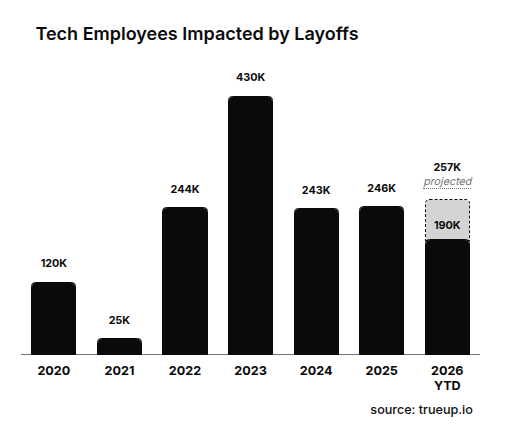
Global layoffs 2026
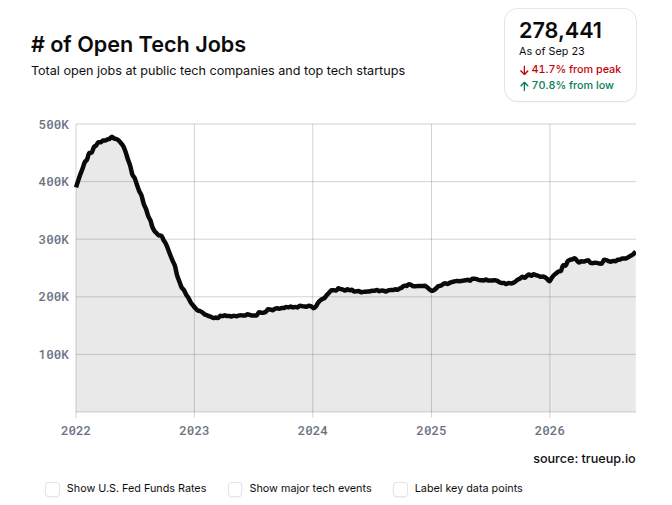
Open Tech Jobs 2026
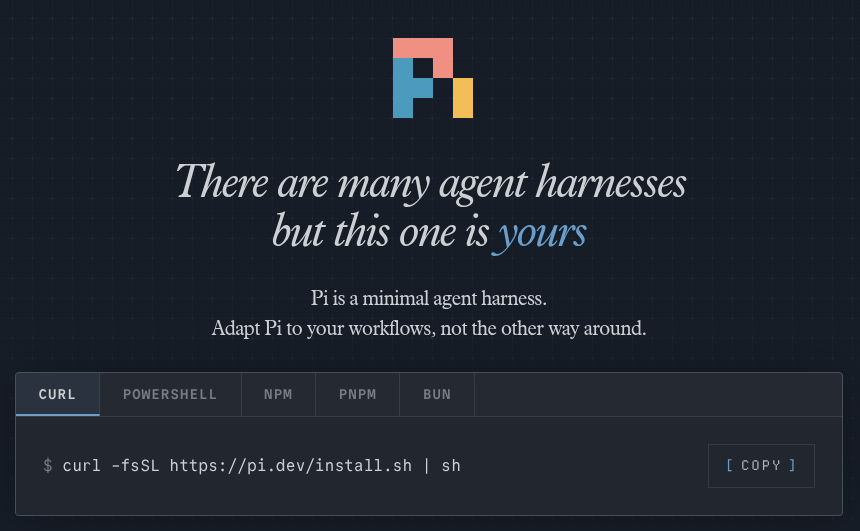
pi - simple agent
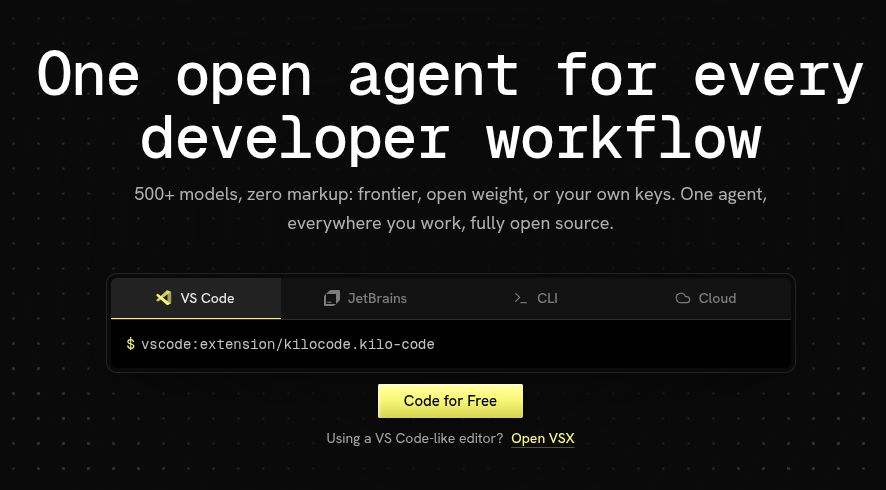
Kilocode (vscode extension)
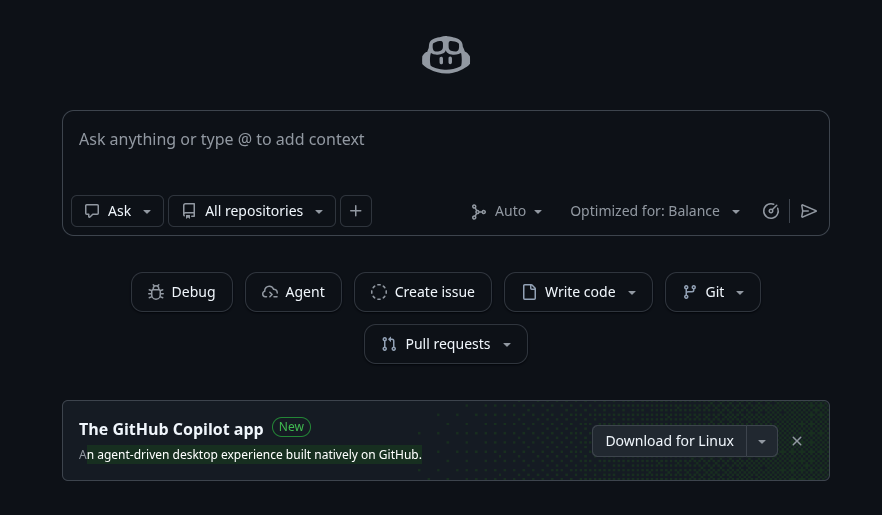
Github copilot
Hermes agent

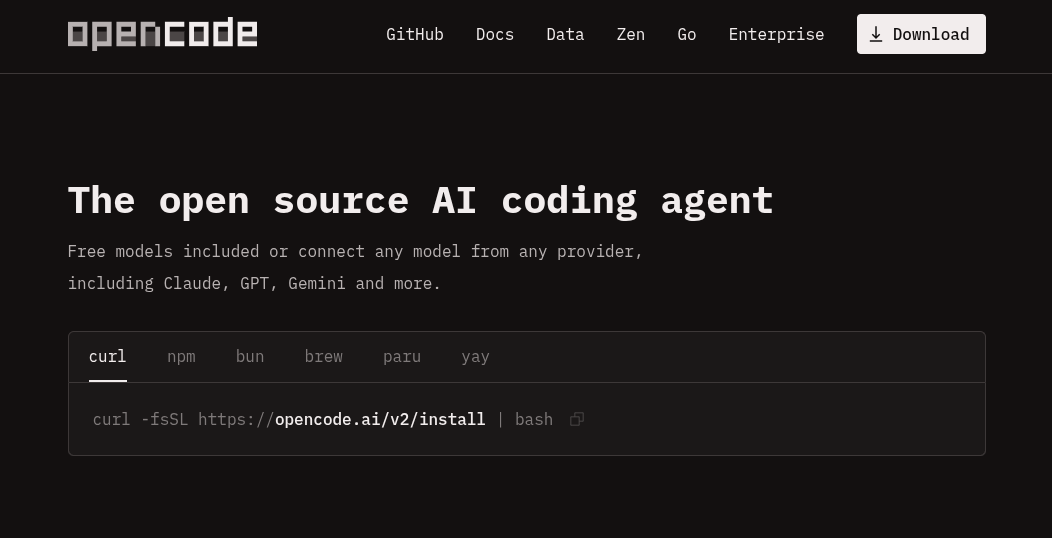
Opencode
Demo: Agent pi
Setup (Windows & Linux): install Ollama and pull a model, then point pi at it.
# both platforms (ollama)
ollama 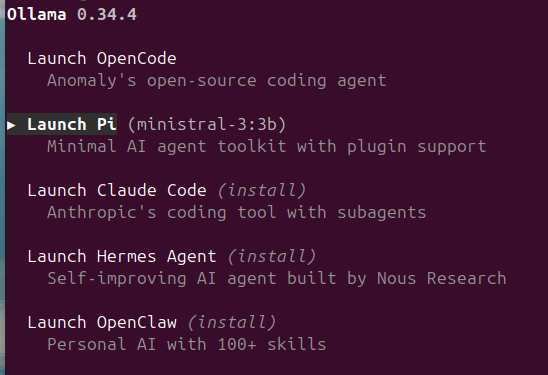
Example 1 — Generate a small script on demand
Have pi create and run a script from scratch (safe, self-contained):
# Linux
pi "Create a bash script disk-report.sh
in the current directory that prints disk
usage of the current folder, make it executable and run it"

# Windows (PowerShell)
pi "Create a PowerShell script in the current directory
disk-report.ps1list that prints the size of each subfolder
in the current directory and run it"
—
Example 2 — Help create files
# Linux
pi "How can login into this computer using /etc/passwd"

# Windows (PowerShell)
Tip: to force the Ollama model explicitly, prefix the run with the model env var, e.g.
OLLAMA_MODEL=llama3.2 pi "..."(Linux/macOS) or$env:OLLAMA_MODEL="llama3.2"; pi "..."(Windows).